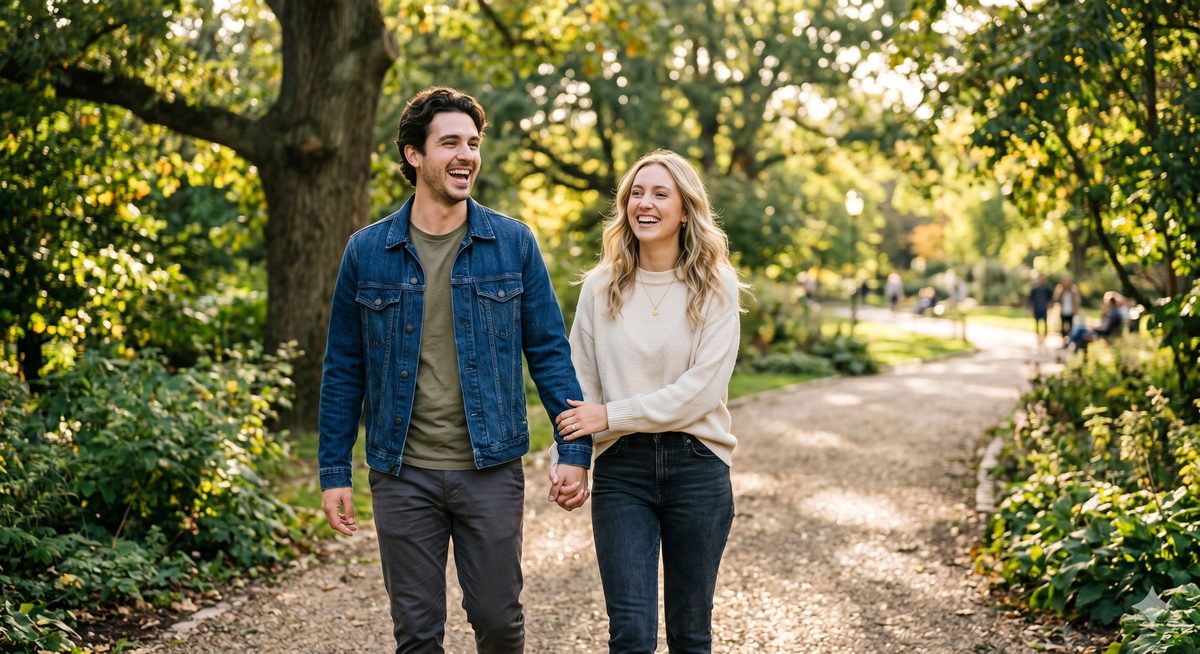
Getting married is one of the biggest decisions you'll make. Most couples invest heavily in planning the ceremony. Fewer invest in preparing for the relationship itself. That's what premarital counseling does.
I work with successful couples who know that strong foundations matter. You're not here because something is wrong. You're here because you want to navigate the transition to marriage with clarity instead of assumptions. Over two decades, I've helped hundreds of couples do exactly that: building realistic expectations, developing shared language for the hard conversations, and establishing patterns that last.
Premarital counseling isn't crisis intervention. It's preventive work. It's the difference between discovering on your wedding night that you have completely different visions for family, finances, and intimacy, and having those conversations now, when you still have time to adjust.
This isn't about fixing problems. It's about building the skills you'll need before you need them.
What Premarital Counseling Covers
Every couple is different, but premarital work typically touches on the areas where couples tend to struggle most. We talk about how you communicate. Specifically, how you argue. Most couples know they're attracted to each other. Fewer understand their actual conflict styles or how their family patterns show up when they disagree.
We address finances directly. Money conversations are rarely comfortable, but they're essential. Differences in spending habits, debt, and attitudes toward money derail marriages more often than most couples expect.
Family expectations often go unexamined until after the wedding. What does family involvement look like in your marriage? What traditions matter, and which ones do you want to change?
We discuss intimacy and sex openly. Not in a clinical way. In a practical way that acknowledges that attraction and desire shift over time, and that mismatched expectations here create real conflict.
You'll talk about roles and responsibilities. Who handles what in the household? What does partnership actually mean to each of you?
And whether kids are part of your plan, or not, we make sure you've actually had that conversation. Unspoken assumptions about parenthood are a frequent source of serious conflict.
What to Expect in Sessions
Your first session is 90 minutes. Most couples find that 4 to 8 sessions is a good foundation. Sessions are structured but not rigid. You can expect real conversation, not a checklist. I might ask difficult questions. I might point out patterns you're not seeing.
My role is to help you understand each other better and give you tools for the conversations you'll keep having for the next 40 years.
Why It Matters
Couples who do premarital work report higher satisfaction and lower conflict, on average. People do premarital counseling because they've watched relationships falter over issues that could have been prevented with a conversation. The research is clear: it's much easier to build good patterns before the stress of married life tests them.
Premarital counseling is the difference between hoping things work out and actually building something that will.
Serving Fairhope, Daphne, Mobile, and the Eastern Shore
My office is located at 203 Fels Ave in downtown Fairhope. I work with couples from Daphne, Spanish Fort, Mobile, Gulf Shores, Foley, and across Baldwin County. Telehealth appointments are available throughout Alabama for couples who prefer remote sessions or live farther from Fairhope.
Common Questions About Premarital Counseling
Is there anything wrong with getting counseling before we're even married? Not at all. It's one of the smartest things you can do. Premarital counseling isn't for couples in trouble. It's for couples who take their relationship seriously. You're building a life together. It makes sense to prepare for it.
How do we know when to stop? Most couples feel ready after 4 to 8 sessions. You'll know you're in a good place when you have a shared language for conflict, you've worked through the major topic areas, and you both feel genuinely prepared for what's ahead, not just excited about the wedding.
What if one of us is more willing than the other? This is common. One partner often initiates and the other comes in skeptical. That's fine. Skepticism doesn't prevent progress. Most reluctant partners find value in the work once they're in it. A brief phone conversation with me beforehand can sometimes help.
Do we need to bring anything? Nothing specific. Come ready to talk honestly. If there are topics you know you avoid (money, family dynamics, past relationships), those are worth flagging early. The more you're willing to put on the table, the more useful the work will be.